The Significance of Lawn Care: Key Services for a Healthy and Lush Lawn
Lawn care serves a critical function in fostering a thriving and beautiful yard. Regular mowing, fertilization, and aeration are fundamental practices that contribute to overall lawn health. Such practices not only promote healthy growth but also boost soil integrity and deepen root development. Furthermore, gaining insight into the seasonal requirements of a lawn can considerably affect its long-term durability. When the seasons transition, the demands for proper lawn upkeep change as well. Which proven methods can homeowners follow to help their lawns flourish through every season?
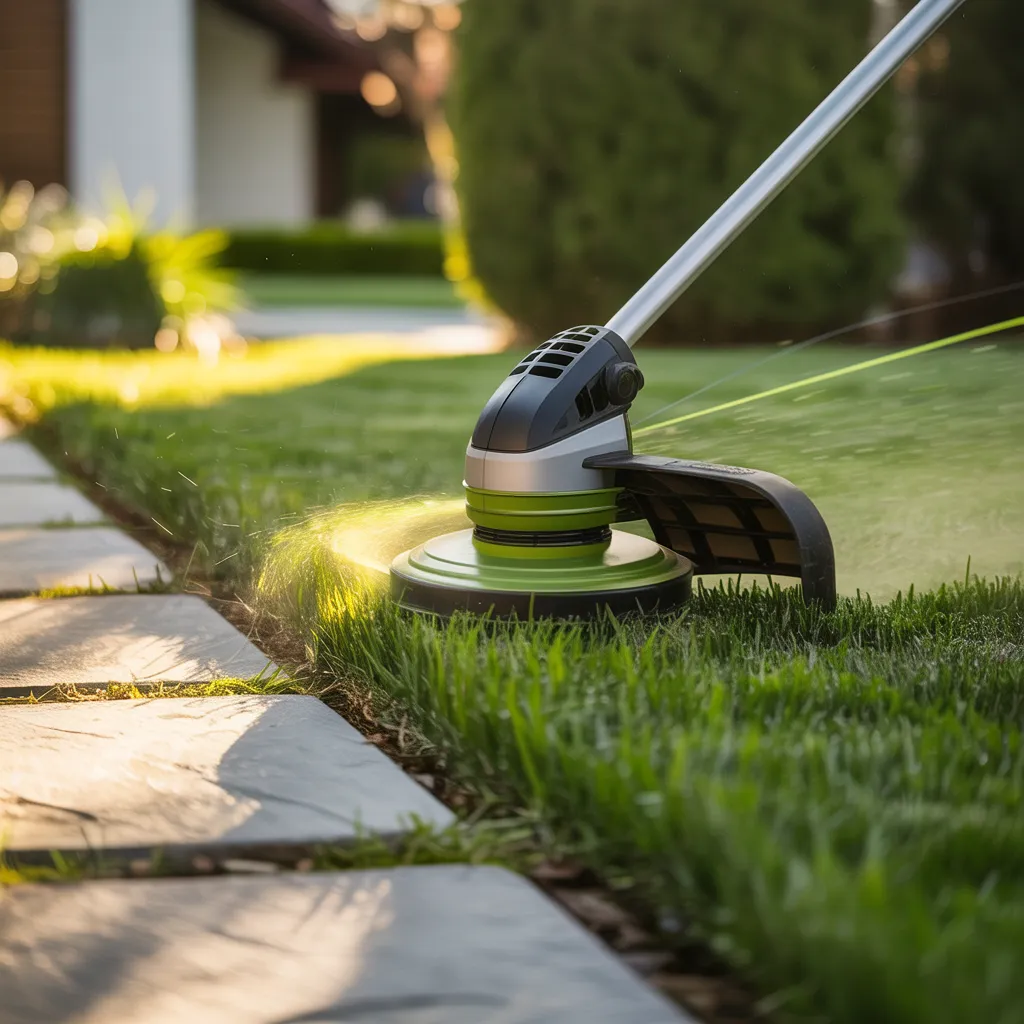
The Importance of Regular Mowing for Lawn Health
Regular mowing is crucial for maintaining a healthy lawn, as it supports balanced growth and keeps weeds from becoming established. By mowing grass at the proper height, homeowners can cultivate a more robust turf, which functions as a natural shield against invasive plants. Regular mowing also aids in spreading nutrients more uniformly across the lawn, facilitating a robust root system.
Additionally, frequent mowing keeps the lawn from getting too long, which can result in inconsistent growth and greater susceptibility to pests. It also minimizes the probability of thatch development, a buildup of decomposed matter that can inhibit the absorption of water and nutrients.
Creating a steady mowing schedule customized to the grass type and growth patterns throughout the seasons further enhances lawn health. In the end, regular mowing is not simply a task; it is a critical practice that plays a major role in the general health and aesthetics of a lawn.
How Lawn Fertilization Improves Grass Health
Lawn fertilization is essential in enhancing grass health by supplying key nutrients that encourage growth. It also promotes improved soil health, establishing a stronger environment for the development of roots. Furthermore, effective fertilization can help manage unwanted weeds and pests, further promoting a thriving lawn.
Nutrient Boost for Growth
A adequately fertilized lawn can greatly enhance grass vitality and strength. The application of fertilizer delivers essential nutrients such as nitrogen, phosphorus, and potassium, which are essential for healthy growth. These nutrients encourage strong root growth, improve drought resistance, and enhance the lawn's overall color and density. Consistent use of the appropriate fertilizer ensures that grass receives the necessary nourishment to thrive, particularly during prime growth periods. Additionally, balanced fertilization can help prevent common lawn diseases and pest infestations by fortifying the lawn's inherent resistance. By dedicating effort to effective fertilization techniques, homeowners can achieve a lush, green lawn that not only appears attractive but also withstands environmental stresses more effectively.
Enhancing Soil Health
Enhancing soil health is essential for promoting vibrant grass growth, and strategic fertilization plays an important part in this endeavor. Fertilizers provide essential nutrients including nitrogen, phosphorus, and potassium, which are vital for robust root development and overall grass health. A balanced application of these nutrients fosters microbial activity in the soil, enhancing nutrient availability and promoting a thriving ecosystem. Routine fertilization assists in sustaining balanced soil pH levels, ensuring that grass can absorb essential minerals efficiently. Additionally, healthy soil structure improves water retention and drainage, reducing the risk of disease and stress on grass. By focusing on soil health with effective fertilization methods, property owners can develop a vibrant, durable lawn that withstands environmental pressures.
Weed and Pest Control
Efficient soil health care not only encourages grass growth but also has a major impact on weed and pest control. When lawns are properly fertilized, the grass develops into a denser and stronger turf, which minimizes the room and resources weeds need to take hold. Additionally, robust grass can outcompete pests for nutrients for nutrients, thereby minimizing infestations. Fertilizers packed with key nutrients fortify root development, making grass better able to withstand environmental stress and pest pressure. Furthermore, regular fertilization creates a balanced ecosystem that supports the presence of helpful organisms, which naturally suppress harmful pests. By combining weed and pest control methods with fertilization, lawn maintenance experts can promote a thriving landscape while limiting the use of chemical solutions, resulting in a greener and more resilient lawn.
How Aeration Benefits Your Lawn?
Aeration acts as a fundamental process for promoting a healthy lawn. This technique involves perforating the soil with holes to allow air, water, and nutrients to penetrate deeper into the root zone. By alleviating soil compaction, aeration stimulates grassroots to become stronger and more vigorous. It strengthens the soil's capability to preserve moisture and fosters a more lively lawn.
Moreover, aeration supports superior drainage, decreasing the chance of waterlogging, which can lead to a range of lawn diseases. The introduction of oxygen enhances microbial activity, essential for degrading organic matter and unlocking nutrients. Frequent aeration yields a more durable lawn equipped to tolerating environmental strains, such as heavy foot traffic or drought.
When all is said and done, adding lawn aeration into a regular lawn care routine is a preventative strategy that significantly contributes to the total health, beauty, and durability of the lawn, ensuring a healthy and thriving lawn.
Successful Pest Management Strategies for Lawn Care
How can homeowners guarantee their lawns remain healthy and vibrant even when dealing with pest pressures? Effective pest control strategies are essential for maintaining a lush landscape. First, regular inspections of the lawn can help identify pest infestations early, making it possible to act quickly and effectively. Property owners would benefit from adopting integrated pest management (IPM) techniques, which combine biological, cultural, and chemical methods to control pests while reducing harm to the surrounding environment.
Utilizing natural predators, such as predatory insects and ladybugs, can effectively reduce pest populations. Additionally, sustaining a healthy lawn through regular watering, fertilization, and mowing can toughen grass, making it less vulnerable to pest damage. Homeowners can additionally use organic pesticides as a greener alternative to standard chemicals. As a final step, guaranteeing adequate drainage and aeration can eliminate conditions that encourage pest growth. By implementing these methods, homeowners can reliably defend their lawns and foster a flourishing outdoor space.
How Different Seasons Influence Lawn Upkeep
With the changing seasons, the demands of lawn maintenance evolve, necessitating that homeowners modify their lawn care approaches. In spring, lawns begin to recover from dormancy, calling for important steps including overseeding, aeration, and fertilization to support strong and healthy development. During the warmer summer months, hydration becomes critical; consistent watering and mowing to the correct heights aid in retaining moisture and minimizing stress on the lawn.
As the autumn season approaches, it becomes essential to focus on winterizing the lawn. This involves applying a last round of fertilizer to reinforce roots and clearing leaves to avoid mold and pest issues. Furthermore, homeowners are encouraged to aerate once more to improve soil condition.
In addition, winter upkeep frequently includes minimizing foot traffic on frozen grass and eliminating accumulated debris. Each season brings unique challenges and opportunities, underscoring the value of a personalized approach to maintaining your lawn year-round. Adapting to these seasonal changes guarantees a thriving and resilient lawn.
Environmentally Conscious Practices for Lawn Care
Eco-friendly methods are vital for preserving lawn vitality while reducing ecological harm. Practices like chemical-free fertilization, water-efficient irrigation, and planting native species support a vibrant and balanced ecosystem. By adopting these methods, homeowners can promote a healthy lawn that supports biodiversity and conserves resources.
Organic Fertilization Techniques
Several organic fertilization techniques can considerably boost lawn health while supporting environmental sustainability. Compost, produced from broken-down organic matter, enriches soil with essential nutrients and strengthens its foundation. In addition, using fish emulsion delivers a rapid nutrient supply, supporting robust grass growth. Another effective method is the application of bone meal, which provides phosphorus for sturdy root development. Integrating green manures, such as clover, can also boost nutritional content and minimize soil degradation. Furthermore, utilizing natural corresponding information mulch not only retains moisture but also slowly delivers nutrients during decomposition. By embracing these organic practices, homeowners can develop a flourishing lawn that strengthens nearby ecosystems while limiting the environmental impact resulting from synthetic fertilizers.
Water Conservation Strategies
Implementing effective water conservation strategies is essential for maintaining a healthy lawn while minimizing resource waste. One of the most efficient methods is to establish a deep root system through infrequent, deep watering. This promotes the growth of drought-resistant grass. Utilizing mulch can also retain soil moisture and suppress weeds, reducing the need for additional watering. Furthermore, installing a rainwater collection system allows homeowners to utilize natural rainfall for irrigation. Intelligent irrigation systems that respond to changing weather patterns can significantly improve water efficiency. Furthermore, watering in the early morning hours helps reduce moisture loss through evaporation. Through the implementation of these practices, lawn maintenance can achieve both environmental sustainability and cost savings, preserving lush landscapes without unnecessary water use.
Local Plant Curation
As many homeowners strive for beautiful lawns, the use of native plants presents an eco-friendly method for maintaining lawn health. Native plants are adapted to local climates and soils, needing significantly less water and care than exotic species. This decreases dependence on fertilizers and pesticides, fostering a thriving ecosystem. Moreover, these plants offer critical habitats for local fauna, especially pollinators like bees and butterflies. By incorporating native species, homeowners can create a lush landscape that thrives with minimal intervention. The use of native plants not only enhances aesthetic appeal but also supports biodiversity, contributing to a more resilient environment. At its core, opting for native plants complements sustainable landscaping practices, nurturing a lush and ecologically responsible outdoor environment.

The Long-Term Benefits of Professional Lawn Care Services
Investing in expert lawn maintenance solutions not only enhances the immediate appearance of a property but also delivers significant lasting advantages. Routine care from specialists guarantees a healthier lawn, reducing the likelihood of pests and diseases. These specialists utilize customized solutions that encourage strong development, boosting the quality of the soil and overall ecosystem health.
In addition, routine lawn upkeep can contribute to improved property value. A meticulously maintained landscape serves as an attractive asset, capturing the interest of potential buyers and boosting curb appeal. Additionally, professional lawn care services often provide seasonal planning, which synchronizes lawn upkeep with weather patterns and local climate conditions, promoting ideal growth year-round.
Over time, this proactive approach minimizes the need for costly repairs and replacements, effectively helping homeowners save money. By committing to expert lawn care, property owners not only take pleasure in a rich, vibrant lawn but also invest in the long-term health and resilience of their outdoor spaces.
Questions We Often Receive
How Frequently Should I Water My Lawn?
A yard usually calls for irrigation twice a week, delivering about an inch of water each time. This schedule ensures perfect moisture absorption, supporting healthy growth while protecting against disease and stimulating deep root development.
What Types of Grass Are Best for My Region?
The most suitable grass varieties for a specific region rely on climate and soil conditions. Cool-season grasses grow best in northern regions, while warm-weather grass types are ideal for southern climates, promoting optimal growth and vitality across all seasons.
How Can I Determine if My Lawn Needs to Be Aerated?
Indicators that a lawn requires aeration consist of poor drainage, compacted soil, and thin grass coverage. In addition, when grass displays signs of strain under dry conditions or pedestrian activity diminishes its visual appeal, aeration can be highly beneficial.
Is It Safe for Pets After Applying Fertilizers?
After applying fertilizers, it is commonly recommended to keep pets off the lawn for a period of 24 to 48 hours. This step is taken to protect your pets, as these substances can lead to irritation or negative reactions if ingested or contacted.
What Tools Do I Need for Basic Lawn Maintenance?
Maintaining a healthy lawn demands some important equipment: a reliable lawnmower, a rake, a sturdy shovel, pruning shears, a hose or sprinkler, and a lawn spreader for applying fertilizer. These tools support effective care and upkeep of the lawn.